
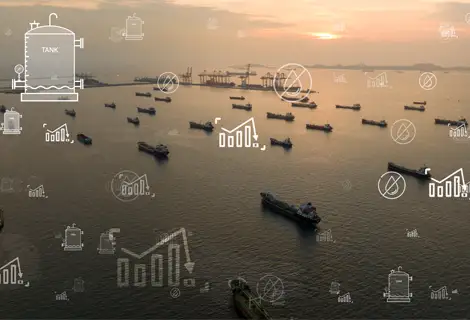
For decades, periods of geopolitical disruption have reminded the industry that energy markets do not move in isolation. Sharp oil price shocks, whether triggered by conflict, supply outages, or transport bottlenecks, have consistently translated into broader cost inflation across the chemical and materials value chain.
What often begins as an oil headline eventually becomes a chemical industry reality, and that pressure ultimately shows up in the cost of everyday life.
Lessons from Past Oil Shocks
History offers several clear precedents. During major oil disruptions—from the shocks of the 1970s, to the Gulf conflicts, to more recent supply interruptions—chemical producers experienced cost escalation that moved broadly in tandem with energy markets. The transmission mechanism was not instantaneous, but it was persistent.
Energy-intensive processes, transportation, utilities, and upstream feedstocks all adjusted upward following crude price spikes. Even when oil prices later stabilized, the cost base of chemical manufacturing rarely reverted to prior levels immediately. Instead, producers faced prolonged periods of elevated operating costs, working through the system over months or years.
The lesson from these episodes is consistent: energy volatility has lasting structural effects on chemical cost economics, not just short-term pricing noise.
The Current Situation: More Than an Oil Story
The current disruption centered around the Strait of Hormuz fits squarely into this historical pattern—but with added complexity.
While much of the public attention has focused on crude oil, the Strait is a critical artery not only for oil flows, but also for refined products and petrochemical feedstocks. Disruptions to shipping through this corridor ripple across diesel, gasoline, LPG, naphtha, and other intermediates that underpin both refining and chemical production.
In practice, constraints on transport and trade flows can quickly tighten availability of key energy-linked inputs. Diesel markets, in particular, have shown heightened sensitivity due to their export concentration and demand inelasticity, while petrochemical feedstock markets have been exposed through reduced availability and logistical uncertainty.
This makes the current episode not simply an oil price event, but a broader energy and chemicals supply shock.
Cost Transmission into the Chemical Industry
For chemical manufacturers, the implications are familiar but no less challenging.
Energy costs are embedded throughout chemical production—from direct fuel and utilities to upstream processing, intermediates, and logistics. When energy markets reprice abruptly, these costs begin to move almost immediately within manufacturing systems.
For example, higher crude and refinery disruption can raise the cost of naphtha and LPG used as petrochemical feedstocks, while tightening diesel supply increases outbound freight rates and the delivered cost of intermediates and finished products.
However, industry pricing mechanisms often rely on published indices that reflect realized transactions over time. These indices play an important role in providing transparency and stability, but by design, they respond with a delay relative to rapid energy shocks. The result is a timing mismatch:
- Costs escalate quickly as energy markets tighten
- Index-based recovery follows later, after the shock has already been absorbed
This dynamic has been observed repeatedly in past oil disruptions, and it is emerging again in the current environment.
A Compounding Challenge: The Post-COVID Cost Legacy
What differentiates today’s situation from many earlier episodes is where the industry is starting.
The chemical sector is still working through the after-effects of the sharp cost inflation that followed the COVID pandemic. That period saw widespread increases across energy, logistics, labor, and raw materials, with recovery uneven across regions and value chains.
While markets have normalized in some areas, the industry has not fully reset to pre-pandemic cost structures. Therefore, the current energy disruption arrives not as an isolated shock, but as a second major stress event layered on top of an already elevated cost base.
This sequencing matters. It reduces the industry’s ability to absorb another period of rapid cost escalation without proactive risk management.
Why This Matters for the Industry
Taken together, these factors point to a clear conclusion: energy disruptions of this nature have enduring consequences for chemical manufacturers, even after oil headlines fade.
The issue is not one of short-term volatility, but of how quickly costs move relative to the mechanisms designed to reflect them. History shows that when those two move out of sync, temporary dislocations can become lasting economic pressure.
Recognizing this dynamic early, which is grounded in past experience rather than speculation, is essential for maintaining stability across the value chain.
Looking Ahead: Why Investment Still Matters
Against this backdrop, continued investment matters because it protects the capabilities customers rely on when markets are stressed—operational reliability, supply assurance, technical support, and consistent performance.
Periods of volatility often tempt industries to defer or scale back long-term commitments. Yet history shows that resilience during disruption is built well-before the shock occurs. Capability, reliability, and technical depth become most valuable precisely when markets are under stress.
At Ketjen, this thinking shaped our deliberate, long-term commitments to critical technologies, including our world-scale investment in ZSM-5. That decision reflects a conviction that energy and chemicals will remain deeply interconnected and that sustained innovation, robust technology platforms, and strong partnerships matter most when supply chains tighten and economics re-price.
As with previous oil shocks, markets will eventually adjust. Supply chains will adapt, indices will respond, and pricing frameworks will do their job over time. But the path from disruption to normalization is rarely smooth, and it is during this period that structural cost pressures are most acute.
Understanding that the Strait of Hormuz disruption is a chemical industry event as much as an oil market event is the first step toward navigating what comes next.